HARVEST Launch Week – Kick-Off Meeting in Seville
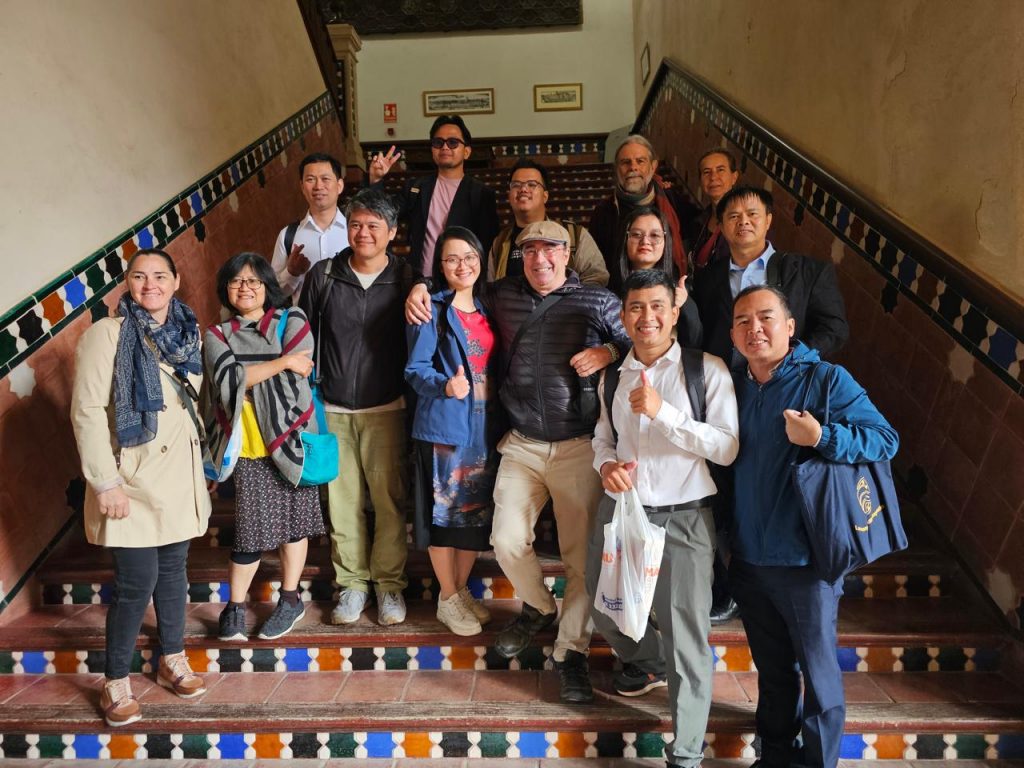
The HARVEST Project Kick-off Week and the 1st International Conference on Agroecology, Food Sovereignty and the Right to Food were successfully held in Seville from April 7–11, 2025.
The gathering brought together university representatives, researchers, and experts from four continents to share perspectives and experiences on sustainable agriculture and food rights.
The week opened with a welcome ceremony and institutional presentations, followed by round tables on agroecology, food sovereignty, nutrition policies, and the rights of peasants. Participants also enjoyed field visits, including the Mamá Cabra agroecological project and the Miraflores urban gardens, as well as cultural tours in Seville and the Sierra de Tentudía.
Discussions highlighted recent developments and challenges in food security, local markets, and agroforestry systems worldwide. The event combined academic debate with hands-on experiences, visits to local initiatives, and cultural activities, fostering both international collaboration and community engagement.
Bodonal de la Sierra, Badajoz
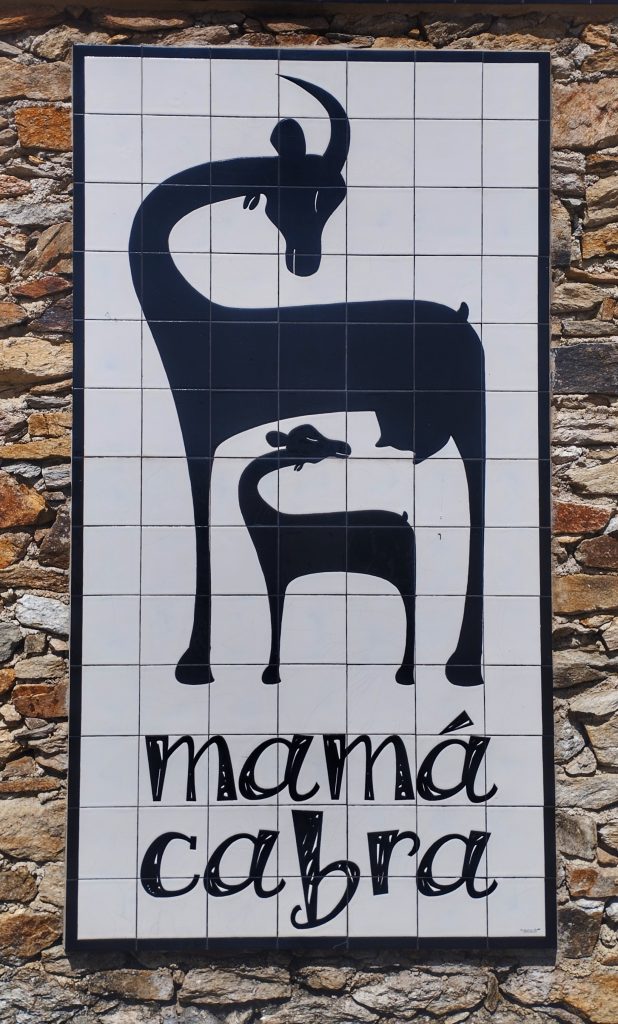
Visit to the cheese farm "Mum Goat"
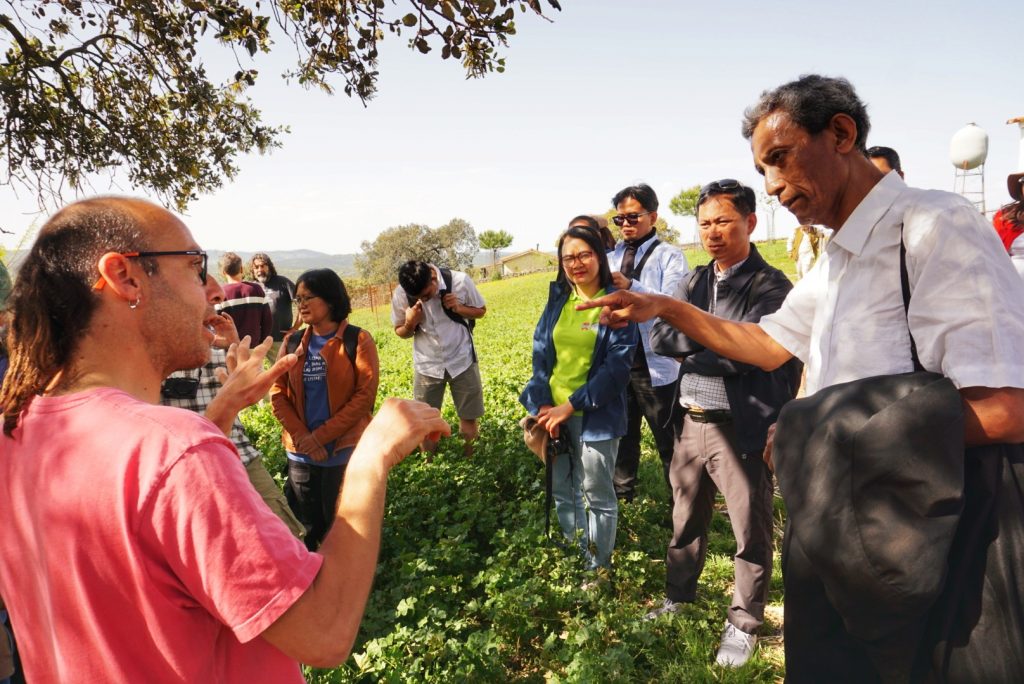
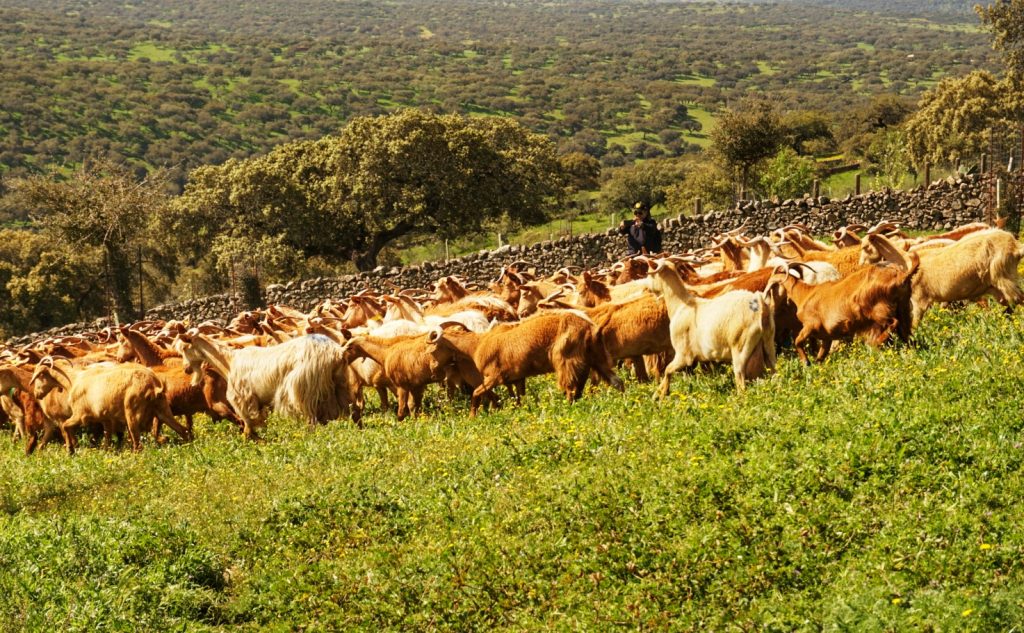
This agroecological farm employs integrated management practices across agriculture, livestock, and forestry on a 70-hectare pasture. It maintains two herds—dairy goats and sheep—utilising agroecological methods. The produced milk is processed into premium organic artisan cheeses, which are marketed directly to end consumers.
Their principal strength lies in animal care, environmental stewardship, and the effective utilisation and promotion of local resources.
Twelve years since its inception, the project has evolved into a noteworthy presence within Extremadura’s agroecological sector. The farm has undergone significant improvement, and the initiative is now firmly established on economic, environmental, and human levels.
Visit to the urban vegetable gardens at Miraflores
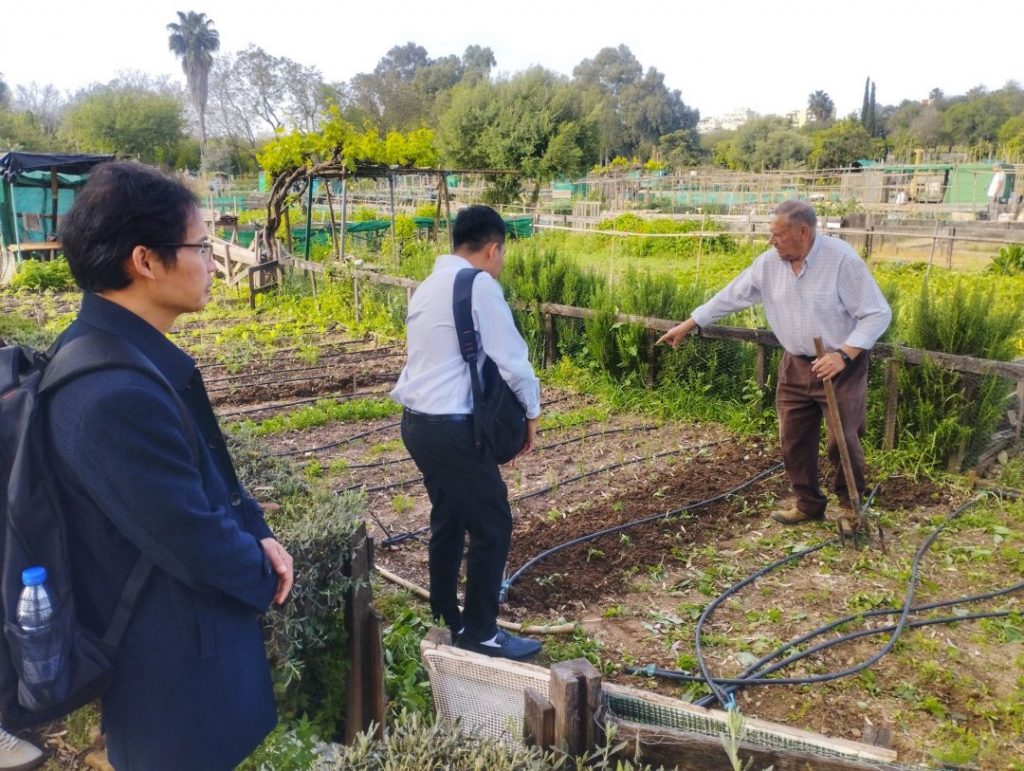
We had the opportunity to get to know the history of these vegetable gardens or allotments, which came to light in the 80`s as a result of the strugle of various neighbours associations, led by Manuel Fernández, president of the Miraflores holticultors and Elsa Olmo, agricultural engineer, who created and is in charge of both the vermi composting project at the University of Seville and also the allotments at Miraflores.
Theese urban gardens started during the 80`s and nowdays there are more tham 30 projects like this in Seville.
Agroecology, neibourhood social harmony, associations, schools…makes this social initiative based in volunteers in one of the most interesting social benchmark in this town.
"Defend Your Market"
Round tables about Sustanible Food and Agroecology
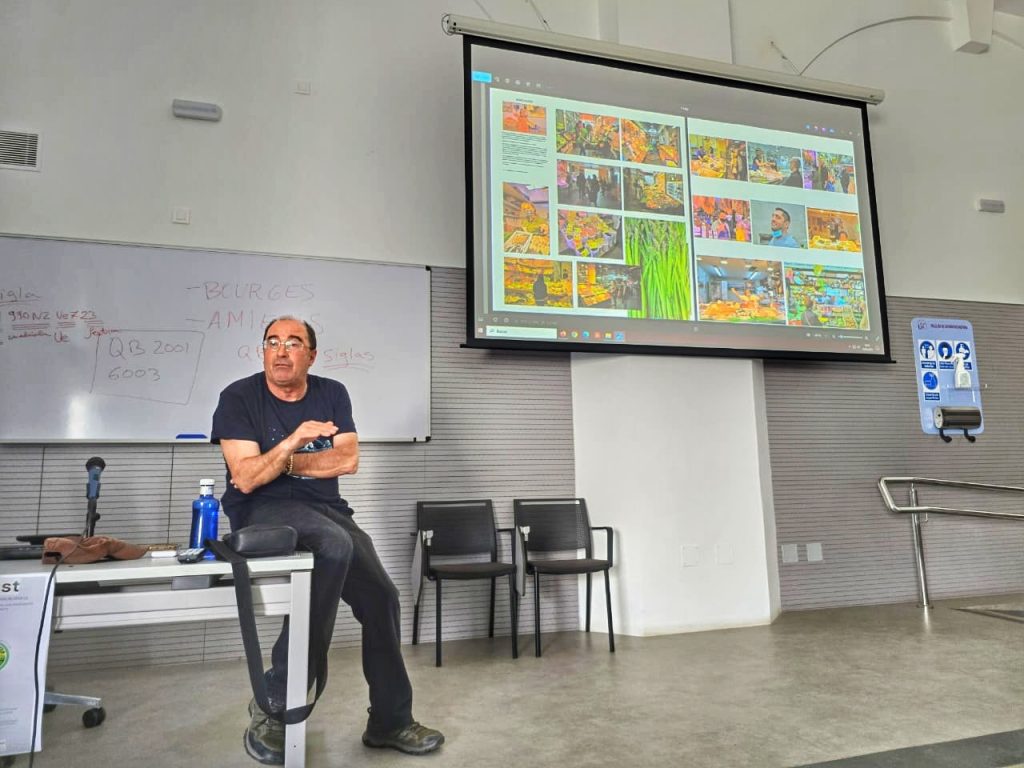
On Thursday, after visiting the Miraflores gardens, we headed to the Rectorate where we enjoyed the Fair of ecological and local products organized by the Cooperation Office and Enjambre sin Reina. Later that afternoon, we had the round table discussions organized by the SAT/PAS Union Section of the University of Seville.
First, we watched an audiovisual presentation featuring photographs by Francisco José Fernández Román, a gardener at the University of Seville, which took us on a journey from the markets of Seville to the rice terraces of Bali, passing through Central Asia, Cambodia, Vietnam, and Indonesia.
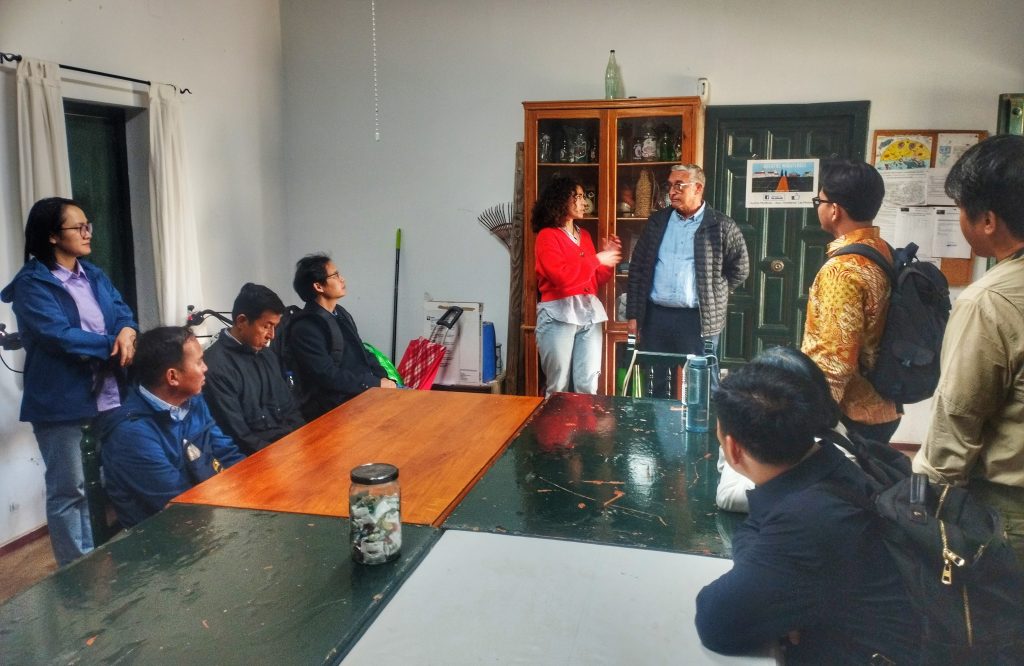
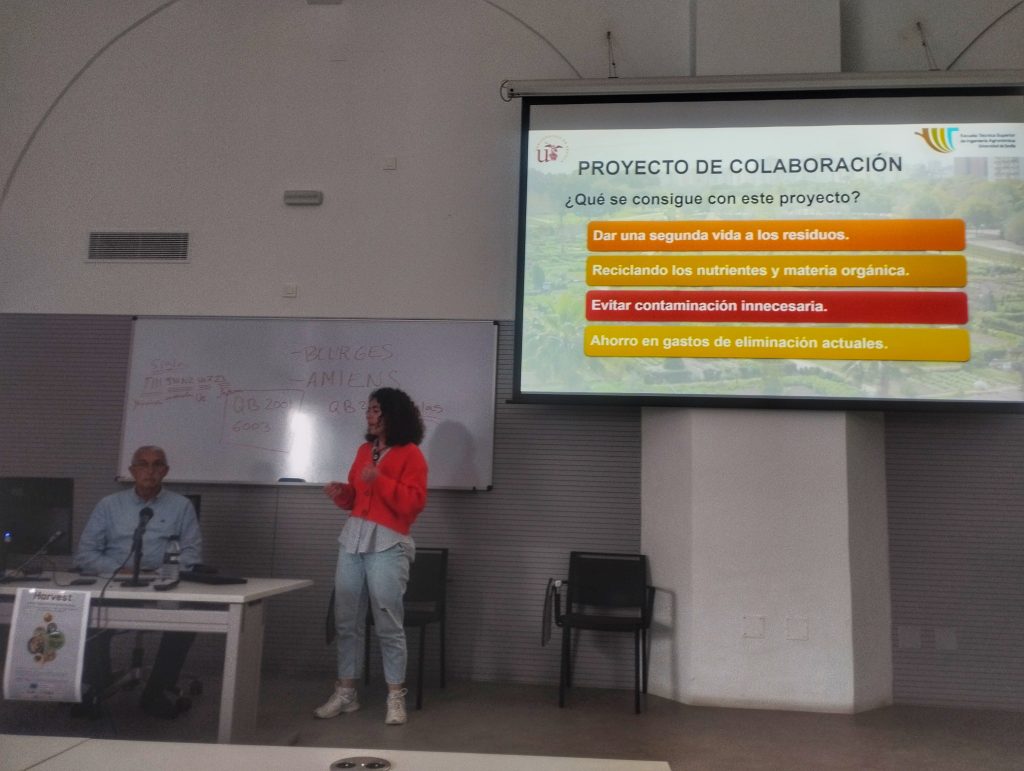
Then, Erin Naughty from Food Justice presented the campaign “Defend Your Market,” which advocates for local markets and marketplaces against large supermarkets. Finally, Manuel and Elsa told the staff of Administration and Services (PTGAS) about the history of the Miraflores gardens and the vermicomposting project of the University of Seville and the Miraflores Urban Gardens Association.”
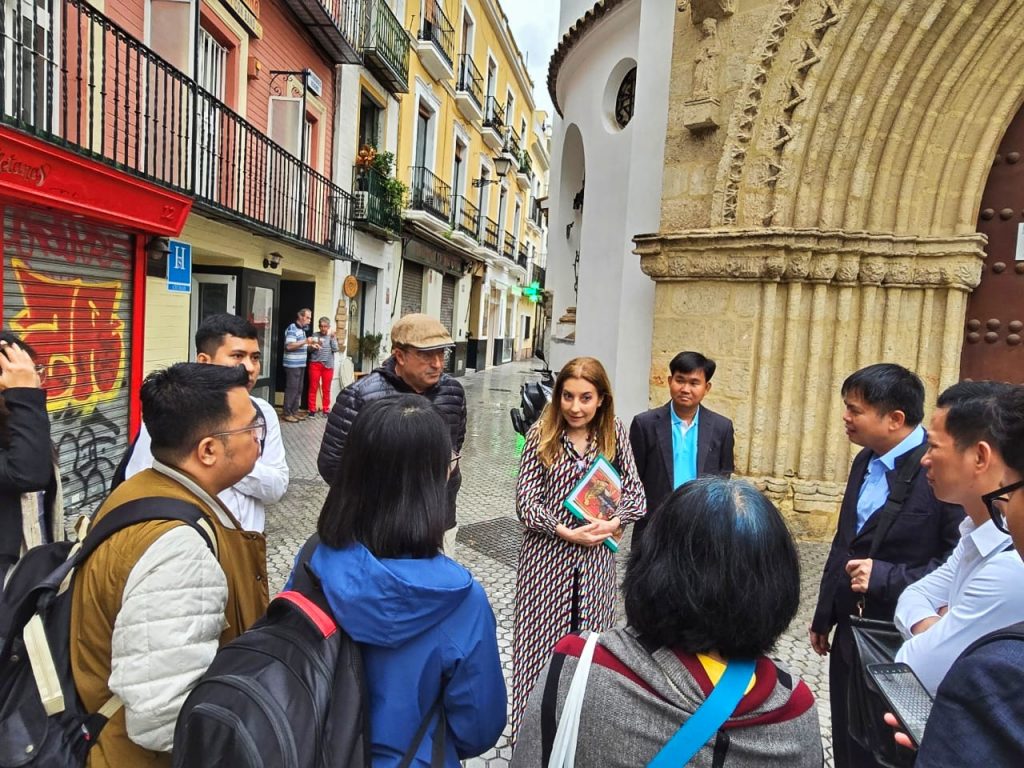
Mudéjar route through Seville old city
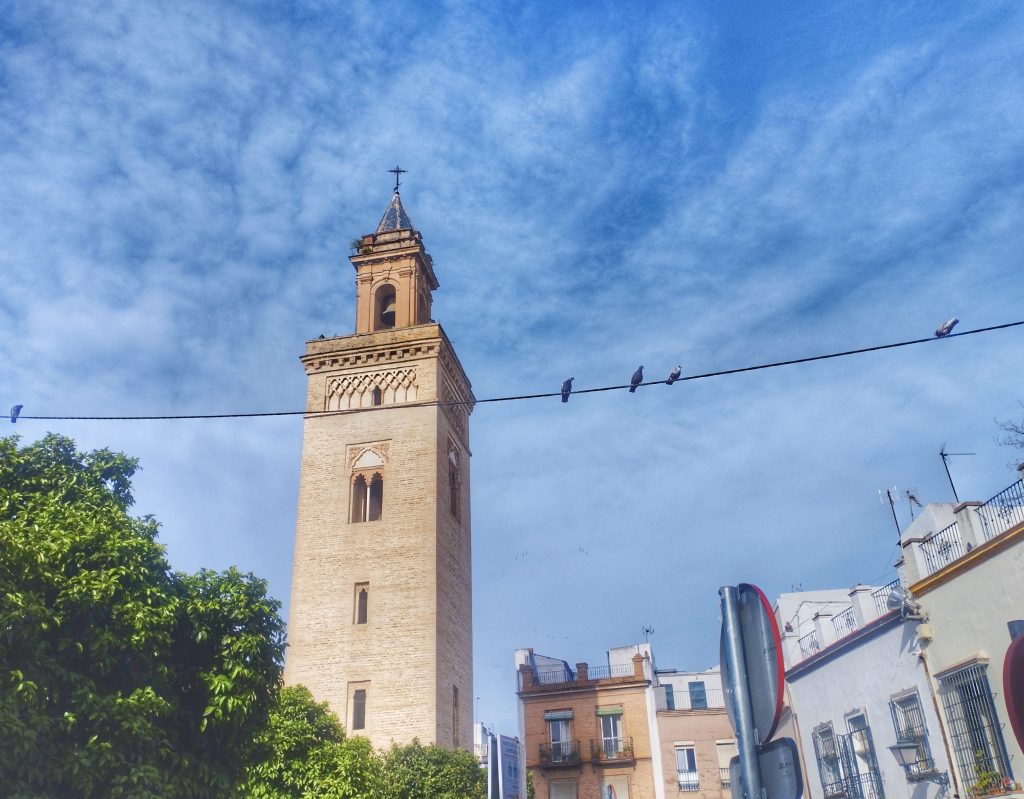
The final day of the meeting focused on Mudejar art in Seville. Carmen Vallejo, a professor of Medieval Art at the University of Seville, provided an overview of the architectural elements found in churches from 13th- and 14th-century Seville.
In addition to studying the architectural features of the churches of Santa Catalina, San Marcos, Santa Marina, and Omnium Sactorum, Carmen provided insights into daily life in the streets of San Luis and Feria. She described the markets and the routines of residents who coexisted as Muslims, Jews, and Christians for centuries, until significant changes occurred with the Christian occupation in 1248.
The final activity included a visit to the market on Calle Feria, where we gained valuable insights into its historical background as well as its current significance. Additionally, we had the opportunity to sample a selection of local delicacies. Overall, it was a highly rewarding experience.