About Us
The research team is composed of members from the TIC-178 research group, Mixed-Signal Integrated Circuit Design and Test, and the TIC-180 research group, Digital and Mixed Integrated Circuit Design, both with extensive experience in microelectronics, hardware security, and integrated circuit design. The group carries out its research activities mainly at the Institute of Microelectronics of Seville and the University of Seville. Their research interests focus on the design, implementation, characterization, and validation of secure electronic systems, including ASIC and FPGA cryptographic circuits, low-power and variability-aware architectures, and emerging hardware technologies. The team also develops experimental platforms for the evaluation of hardware vulnerabilities, including fault injection and side-channel analysis, as well as countermeasures to improve the resilience of cryptographic devices. In addition, their activities include the application of artificial intelligence and advanced optimization methodologies to the design of robust, energy-efficient, and secure microelectronic systems for next-generation computing and cybersecurity applications.

Erica Tena-Sánchez
Erica Tena-Sánchez received a B. Sc. degree in Telecomunications in 2010 from the University of Cantabria, Spain, and Electronics Engineering (with honors), M.Sc. degree in Microelectronics and Ph. D. degree from the University of Seville, Spain, in 2012, 2013 and 2019 respectively. Since 2011, she has been with the Instituto de Microelectrónica de Sevilla. Since 2020 she is assistant professor in the Escuela Politécnica Superior of the University of Seville. Her current research interests lies in the field of CMOS Digital Design of secure cryptographic circuits and hardware attacks.




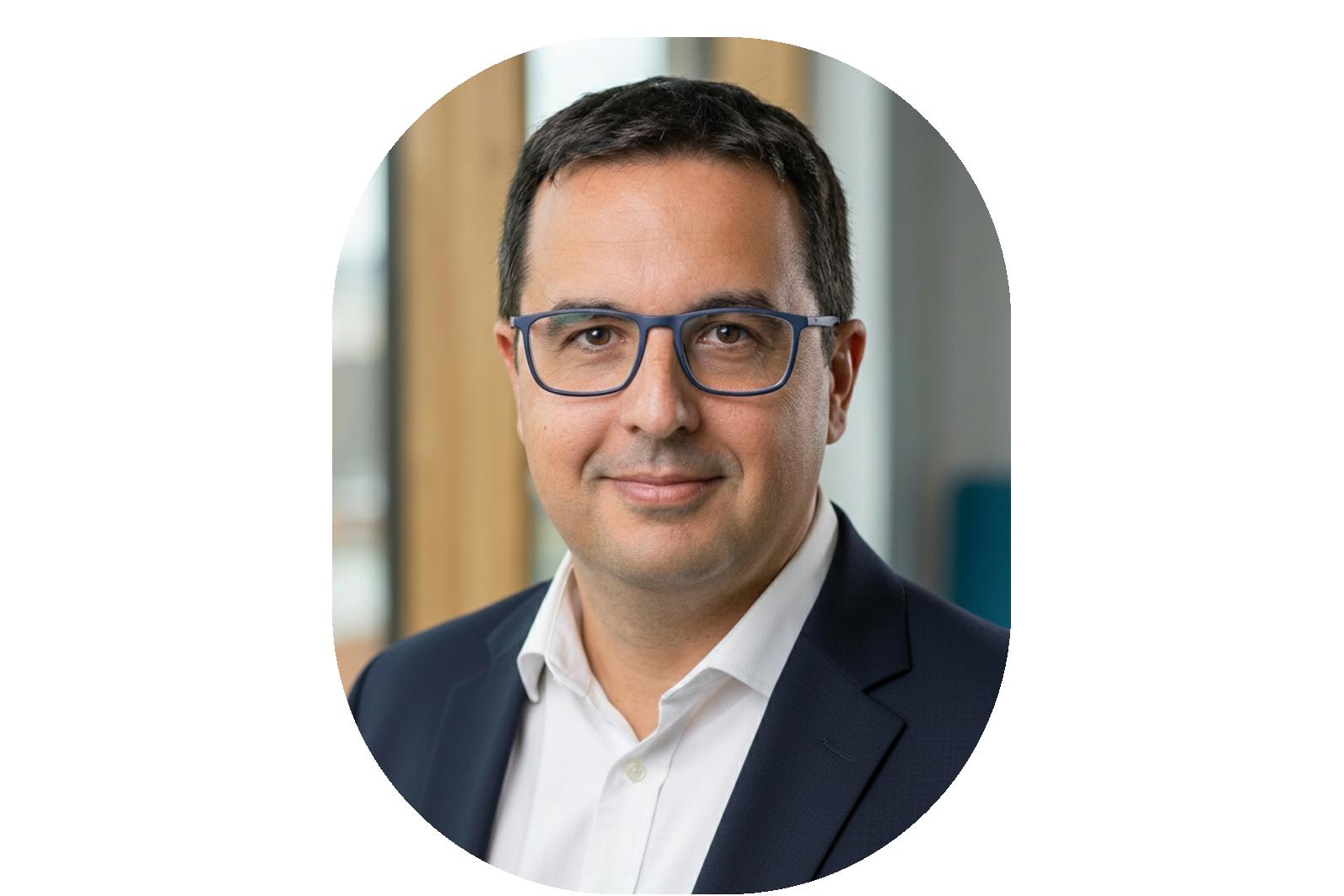
Juan Núñez-Martínez
Juan Núñez Martínez is a Tenured Scientist at the Institute of Microelectronics of Seville, IMSE-CNM (CSIC/University of Seville), and co-Principal Investigator of the GreenCrypt project. He received the Telecommunications Engineering degree and the PhD in Microelectronics from the University of Seville, and has developed his research career in the field of micro- and nanoelectronic circuit design. His work focuses on low-power CMOS and beyond-CMOS technologies, hardware security, cryptographic circuits, variability-aware design, emerging devices, and neuromorphic and Ising-inspired hardware accelerators.
WithinGreenCrypt, he contributes expertise in secure and sustainable cryptographic hardware, ASIC/FPGA implementation, experimental validation of integrated circuits, and hardware-aware optimization methodologies. His research interests include the use of artificial intelligence to support the design of efficient, robust and secure electronic systems, particularly in advanced and emerging technologies. He has authored 35 indexed journal papers and more than 70 international conference contributions, and has participated in national, European
and industrial research projects related to hardware security and energy-efficient computing.

Francisco Eugenio Potestad-Ordóñez
Francisco Eugenio Potestad-Ordóñez received a B.Sc. degree in Electronic Engineering, the M.Sc. degree in Electronic Products Design (with honors) and the Ph.D. degree from the University of Seville, Spain, in 2013, in 2015 and 2019 respectively. Since 2015, he has been with the Microelectronics Institute of Seville (IMSE-CNM-CSIC/US) where he develops his research focused on the hardware design of cryptocircuits and assembly of experimental setups for the characterization and evaluation of vulnerabilities of cryptographic circuits against faults. In addition, he develops hardware countermeasures to minimize the vulnerabilities of the tested circuits.
He is Associate Professor of Digital Electronics at the Polytechnic School of Seville (University of Seville) where he develops part of his research and coordinates different teaching innovation projects and final projects based on digital circuit designs on FPGA.
In his research experience he has done several research stays at the Instituto de Engenharia de Sistemas e Computadores- Investigaçao e Desenvolvimento em Lisboa (INESC-ID, IST, Universidade de Lisboa), where he worked on the development of low-power countermeasures on the AES standard cipher. He is currently participating in two projects funded by the European commission as well as other national and regional projects.
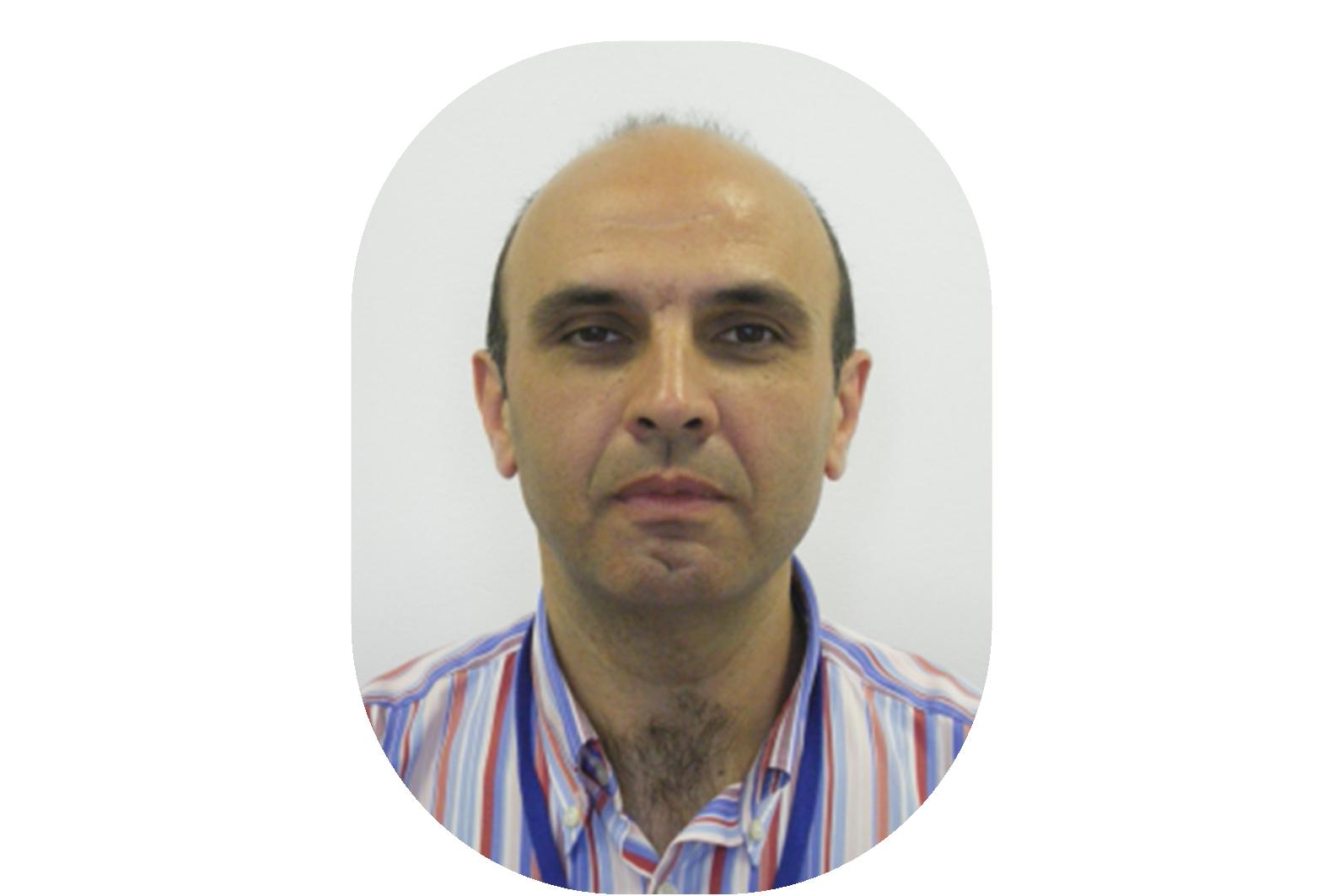
Antonio José Acosta-Jiménez
Antonio J. Acosta received the B.Sc. five-year degree in physics and the Ph.D. degree in physics from the University of Seville, Seville, Spain, in 1989 and 1995, respectively. He is Full Professor at the University of Seville and Senior Researcher at the Instituto de Microelectrónica de Sevilla (IMSE-CNM-CSIC), Seville, Spain. His current research interests lie in the fields of low-power and low-noise CMOS digital and mixed-signal high-performance VLSI Design, timing in VLSI digital system, and cryptographic circuits. He has co-authored more than 100 international scientific publications and has led a number of different national and European R&D projects. Dr. Acosta has served as a member of editorial boards for international journals and on program committees for several prestigious conferences. He was General Chair of the 2002 PATMOS International Workshop.

María José Avedillo
María J. Avedillo received the Ph.D. degree (summa cum laude) from the Department of Electronics and Electromagnetism, Universidad de Sevilla, in 1992. She joined at Universidad de Sevilla as an Assistant Professor in 1988, where she has been a Full Professor since 2010. In 1989, she became a Researcher with the Department of Analog Design, National Microelectronics Center (currently, Instituto de Microelectrónica de Sevilla). She has authored over 150 technical papers in leading international journals and conferences. Her current research interests focus on the design of circuits using emerging devices, including steep slope transistors and phase transition materials, and non-conventional computing paradigms with emphasis on energy constrained applications. In 1994, the Council of the Institution of Electrical Engineers awarded her the Kelvin Premium for two published articles.
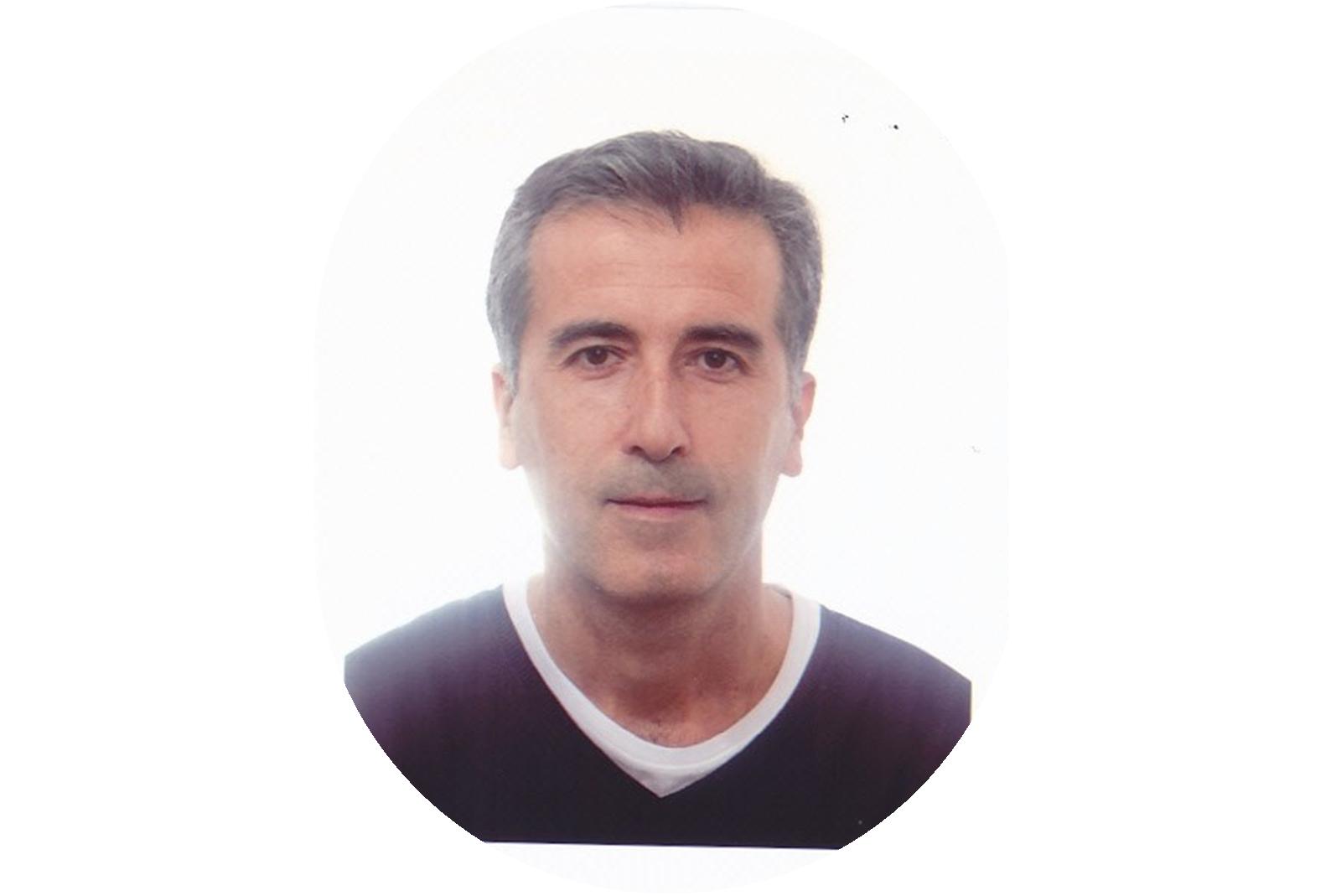
José Miguel Mora-Gutiérrez
José Miguel Mora-Gutiérrez received BSc. 6-year degree in Telecommunications Engineering (special. microelectronic) at the Universidad Politécnica de Madrid, Spain, in 1990 and a Ph.D. degree in Engineer from the University of Seville, Spain, in 2017. Since April 1992, he has been a member of the Technical Staff at the Instituto de Microelectrónica de Sevilla (IMSE-CNM, CSIC/University of Seville), where he is currently an Assistant Manager in the Research and Development section. His main areas of interest include the design and testing of digital and mixed integrated circuits and field-programmable gate arrays, and the design and testing of IC for cryptography. He has been on the design teams of several integrated circuit and system research projects.

Miguel Martín-González
Graduated in Physics from the University of Seville in 2024, and completed the Master’s Degree in Microelectronics, Design and Applications of Micro/Nanoscale Systems at the University of Seville in 2025. He was recently incorporated into the TIC-180 research group and carries out his research activities at the Institute of Microelectronics of Seville and the Polytechnic School of the University of Seville, where he has begun his doctoral studies.
His research interests focus on hardware cybersecurity for the analysis and design of cryptographic implementations resistant to hardware attacks, as well as the development of Electronic Design Automation (EDA) tools.

Alejandro Casado-Galán
Received a B.Sc. degree in Physics in 2022 and the M.Sc. degree in Microelectronics in 2023 from the University of Sevilla, Spain. He has beenwith the Instituto de Microelectrónica de Sevilla (IMSE-CNM-CSIC) since 2021, and as a and as a temporary substitute professor in the University of Seville since 2025. He is currently working on his Ph.D. and his current research is focused on the electromagnetic analysis of cryptographic circuits, design of physically unclonable functions and countermeasures against side-channel and other types of hardware attacks.